Top Mobile App Design Trends for 2026
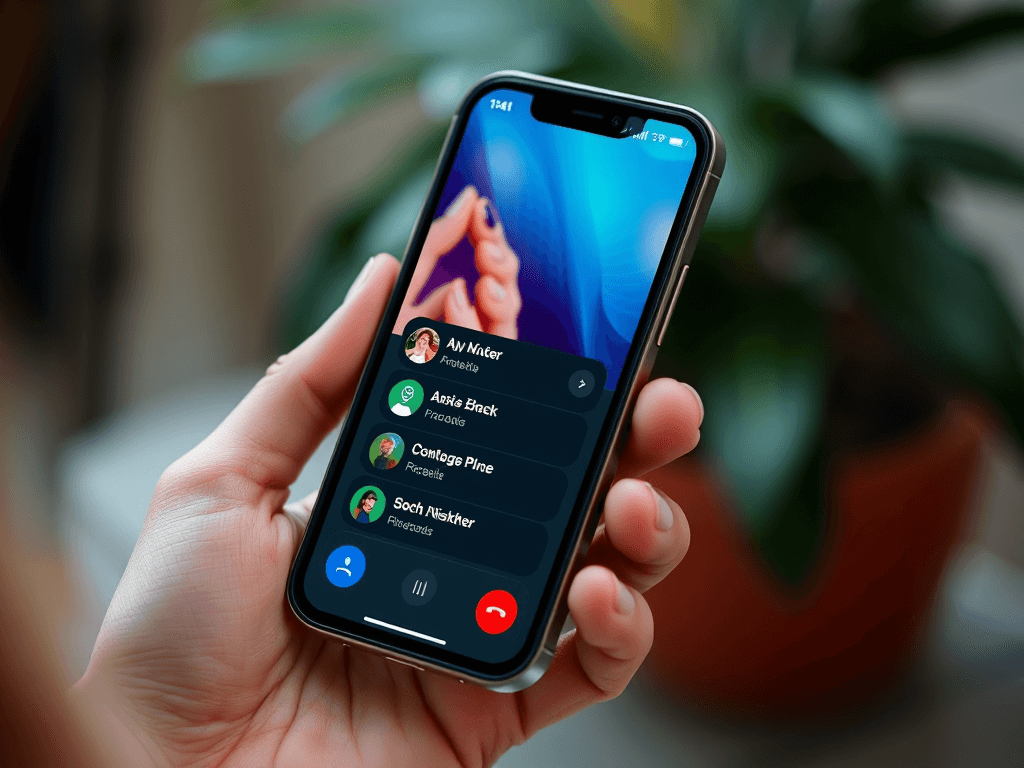
Introduction to Mobile App Design Trends 2026
Mobile app design is evolving rapidly, driven by advances in technology and changing user behaviors. In 2026, developers and designers must prioritize user experience, leveraging AI-driven tools and logic-first design frameworks to create intuitive and engaging interfaces.
Anticipatory Design: The Future of Mobile UX
Anticipatory design is a key trend in mobile app design for 2026. This approach involves predicting user needs and presenting options proactively, reducing the number of steps users must take to complete tasks. By studying user behavior patterns and applying machine learning algorithms, developers can create interfaces that adapt to individual users' preferences and habits.
Logic-First Design Frameworks
Logic-first design frameworks are gaining popularity in 2026. These frameworks treat design as a system of constraints and variables, rather than an abstract art form. By applying systematic rules and using design tokens, developers can create consistent and professional-looking interfaces without requiring extensive design expertise.
AI-Driven UX Design Tools
AI-driven UX design tools are revolutionizing the design process in 2026. Tools like Galileo and Visily use machine learning algorithms to generate high-fidelity designs from simple text prompts, allowing developers to focus on the logic and functionality of the interface. These tools also provide real-time accessibility checking and feedback, ensuring that designs meet WCAG 2.2 standards.
Case Study: Optimizing Medical Dashboards
A Minneapolis-based health-tech startup faced a critical issue in 2025: nurses were spending 40% of their time navigating a complex patient management system. By implementing a logic-first redesign and utilizing progressive disclosure, the development team reduced the average time per patient entry by 14 minutes.
Actionable Steps for Implementation
To upgrade your design skills in 2026, follow these four-step blueprint:
- Audit your spacing and move to a strict 8pt grid system.
- Fix your typography scale and define a limited set of font sizes.
- Implement visual feedback and add loading states, skeleton screens, and success toasts.
- Conduct a one-hand test to ensure that primary action buttons are accessible on mobile devices.
Risks, Tradeoffs, and Limitations
While AI-driven design tools and logic-first frameworks offer many benefits, there are risks and tradeoffs to consider. Over-reliance on automation can lead to generic, unengaging designs. Additionally, complex animations and heavy design libraries can slow down performance and increase latency.
Conclusion and Key Takeaways
Mastering mobile app design in 2026 requires a deep understanding of user experience, logic-first design frameworks, and AI-driven UX design tools. By prioritizing user needs, leveraging systematic design approaches, and using AI-driven tools, developers can create intuitive, engaging, and professional-looking interfaces that drive business success.