The AI-Driven Shift in UI Design: Trends and Implications
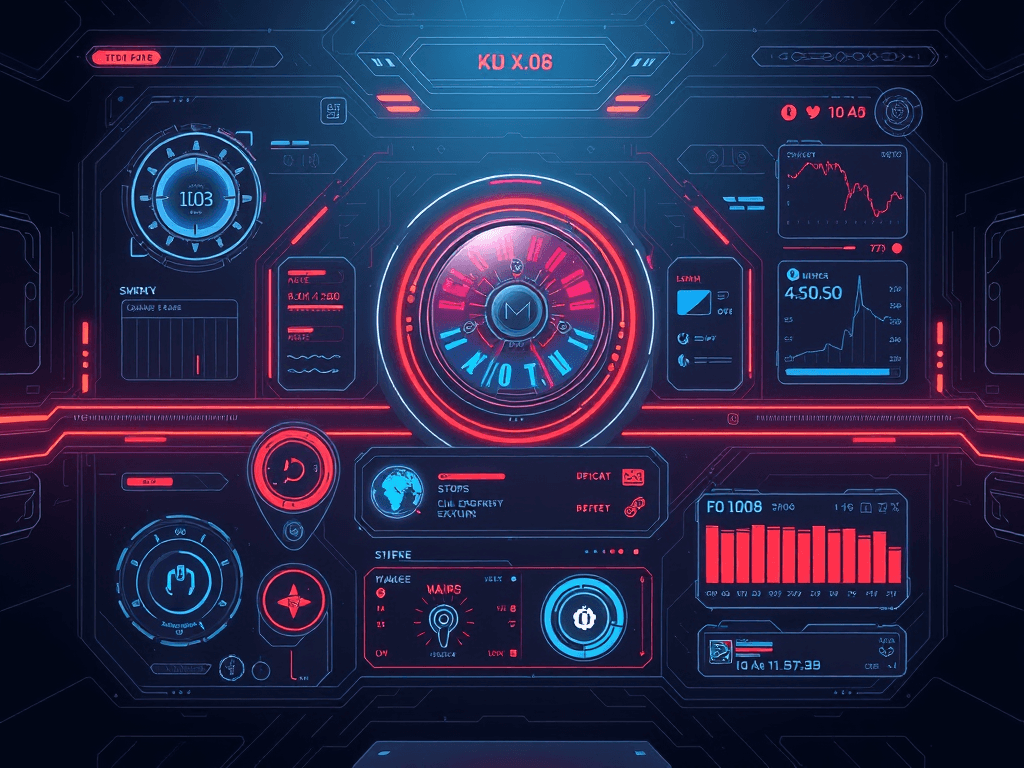
Introduction to AI-Driven UI Design
The AI-driven shift in UI design is transforming the way we interact with technology. With the increasing use of AI-equipped consumer devices and AI-integrated interfaces, the need for intuitive and user-friendly design has never been more pressing. In this article, we will explore the trends and implications of AI-driven UI design and what it means for the future of technology.
The Role of AI in UI Design
AI is revolutionizing the field of UI design by enabling the creation of personalized and adaptive interfaces. With the help of machine learning algorithms, designers can create interfaces that learn and adjust to individual user preferences, making the user experience more seamless and efficient. Additionally, AI-powered design tools are helping designers to automate repetitive tasks and focus on high-level creative decisions.
Key Trends in AI-Driven UI Design
Several key trends are emerging in AI-driven UI design, including the use of AI-powered design tools, the integration of AI-driven analytics, and the development of voice-activated interfaces. These trends are transforming the way we interact with technology and are having a significant impact on the field of UI design.
Implications of AI-Driven UI Design
The implications of AI-driven UI design are far-reaching and will have a significant impact on the future of technology. As AI continues to evolve and improve, we can expect to see even more sophisticated and intuitive interfaces that are capable of learning and adapting to individual user needs. This will lead to a more seamless and efficient user experience, and will have a significant impact on the way we live and work.
Conclusion
In conclusion, the AI-driven shift in UI design is transforming the way we interact with technology. With the increasing use of AI-equipped consumer devices and AI-integrated interfaces, the need for intuitive and user-friendly design has never been more pressing. As AI continues to evolve and improve, we can expect to see even more sophisticated and intuitive interfaces that are capable of learning and adapting to individual user needs.