Mastering UX Design for Mobile Apps in 2026
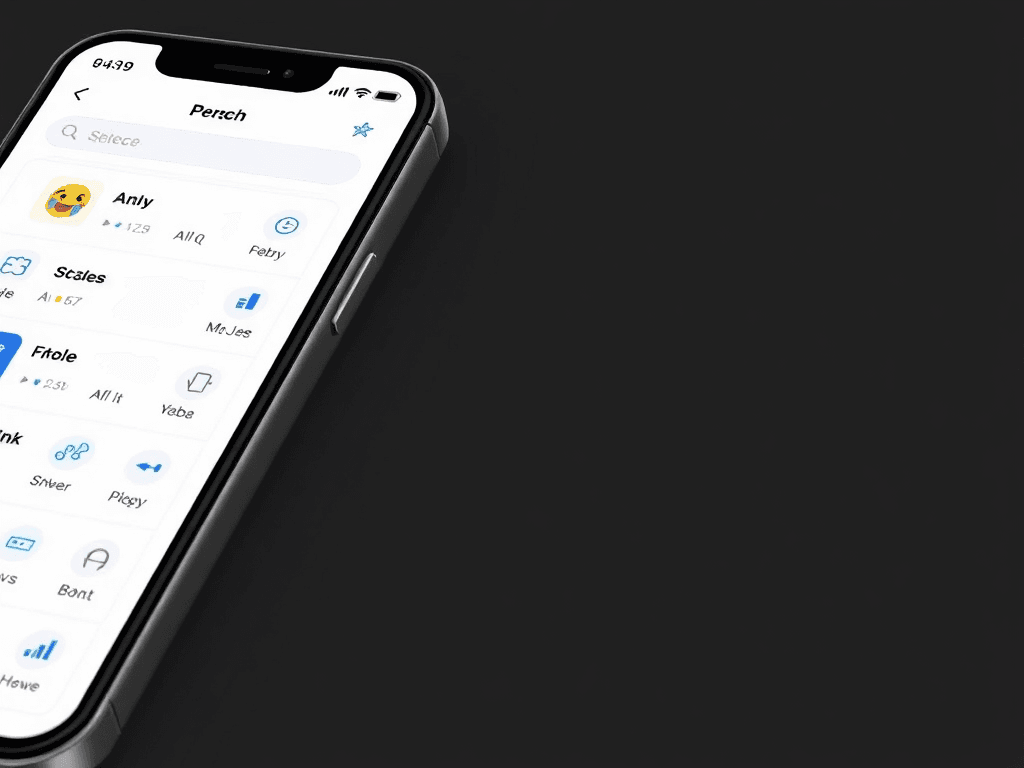
Introduction to UX Design for Mobile Apps
UX design is no longer a luxury, but a necessity for mobile app developers. With the rise of mobile devices, users expect seamless and intuitive experiences that meet their needs and exceed their expectations. In this article, we will explore the latest trends and best practices in UX design for mobile apps, and provide actionable tips and strategies for creating user-centered interfaces that drive engagement and conversion.
Understanding User Behavior and Needs
To create effective UX designs, developers must first understand user behavior and needs. This involves conducting user research, gathering feedback, and analyzing data to identify patterns and trends. By understanding how users interact with mobile apps, developers can design interfaces that are intuitive, easy to use, and meet their needs.
Designing for Mobile-First Experiences
Mobile-first design is no longer a trend, but a necessity. With most users accessing apps on their mobile devices, developers must prioritize mobile-first design to ensure seamless and intuitive experiences. This involves designing for smaller screens, optimizing for touch interactions, and streamlining content to reduce cognitive load.
Leveraging AI-Driven Design Tools
AI-driven design tools are revolutionizing the UX design process, enabling developers to create professional-grade designs without extensive design experience. These tools use machine learning algorithms to analyze user behavior, provide design suggestions, and automate repetitive tasks. By leveraging AI-driven design tools, developers can streamline their design workflow, reduce errors, and create more effective UX designs.
Best Practices for UX Design
To create effective UX designs, developers must follow best practices that prioritize user experience, simplicity, and consistency. These include:
- Keeping it simple and intuitive
- Using clear and concise language
- Providing feedback and validation
- Optimizing for performance and speed
- Conducting user testing and feedback
Case Study: Optimizing UX Design for a Mobile App
A recent case study involving a mobile app for a healthcare provider demonstrated the importance of UX design in driving engagement and conversion. By conducting user research, gathering feedback, and analyzing data, the development team identified areas for improvement and implemented design changes that resulted in a 25% increase in user engagement and a 15% increase in conversion rates.
Conclusion
Mastering UX design for mobile apps requires a deep understanding of user behavior and needs, mobile-first design principles, and AI-driven design tools. By following best practices, leveraging AI-driven design tools, and conducting user testing and feedback, developers can create user-centered interfaces that drive engagement and conversion. As the mobile landscape continues to evolve, UX design will play an increasingly critical role in determining the success of mobile apps.